A Small Computer That Can Build Big Ideas
Raspberry Pi 4 Model B
A Small Computer That Can Build Big Ideas
When we talk about learning technology practically, one name always comes first — Raspberry Pi.
The Raspberry Pi 4 Model B is not just a development board; it’s a complete mini computer that empowers students, makers, and developers to build real-world projects at a very low cost.
In this blog, let’s decode what Raspberry Pi 4B is, why it’s special, and how you can use it to build exciting projects.
What Is Raspberry Pi 4 Model B?
Raspberry Pi 4 Model B is a credit-card-sized single-board computer developed by the Raspberry Pi Foundation. It can perform almost everything that a desktop computer can do — coding, browsing, media playback, automation, and even AI projects.
It runs on operating systems like:
Raspberry Pi OS (Linux)
Ubuntu
Windows IoT Core (limited)
Key Features of Raspberry Pi 4B

 |
 |
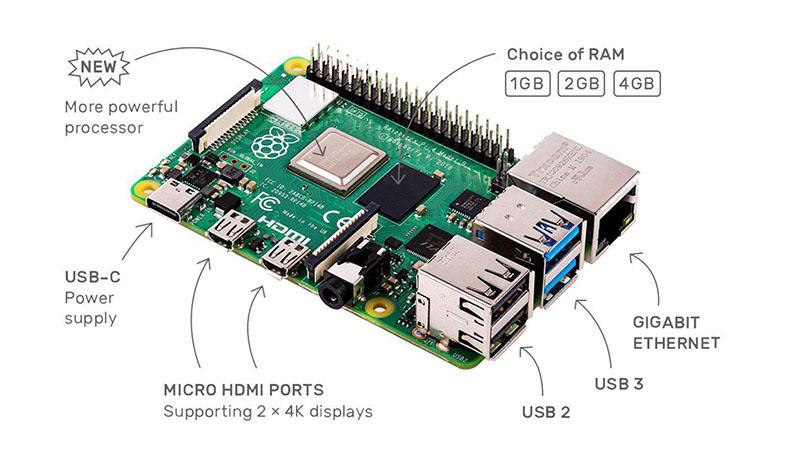
Processor: Quad-core ARM Cortex-A72 (1.5 GHz)
RAM Options: 2GB / 4GB / 8GB
USB Ports: 2× USB 3.0 + 2× USB 2.0
Display Support: Dual 4K HDMI output
Networking: Gigabit Ethernet, Wi-Fi, Bluetooth
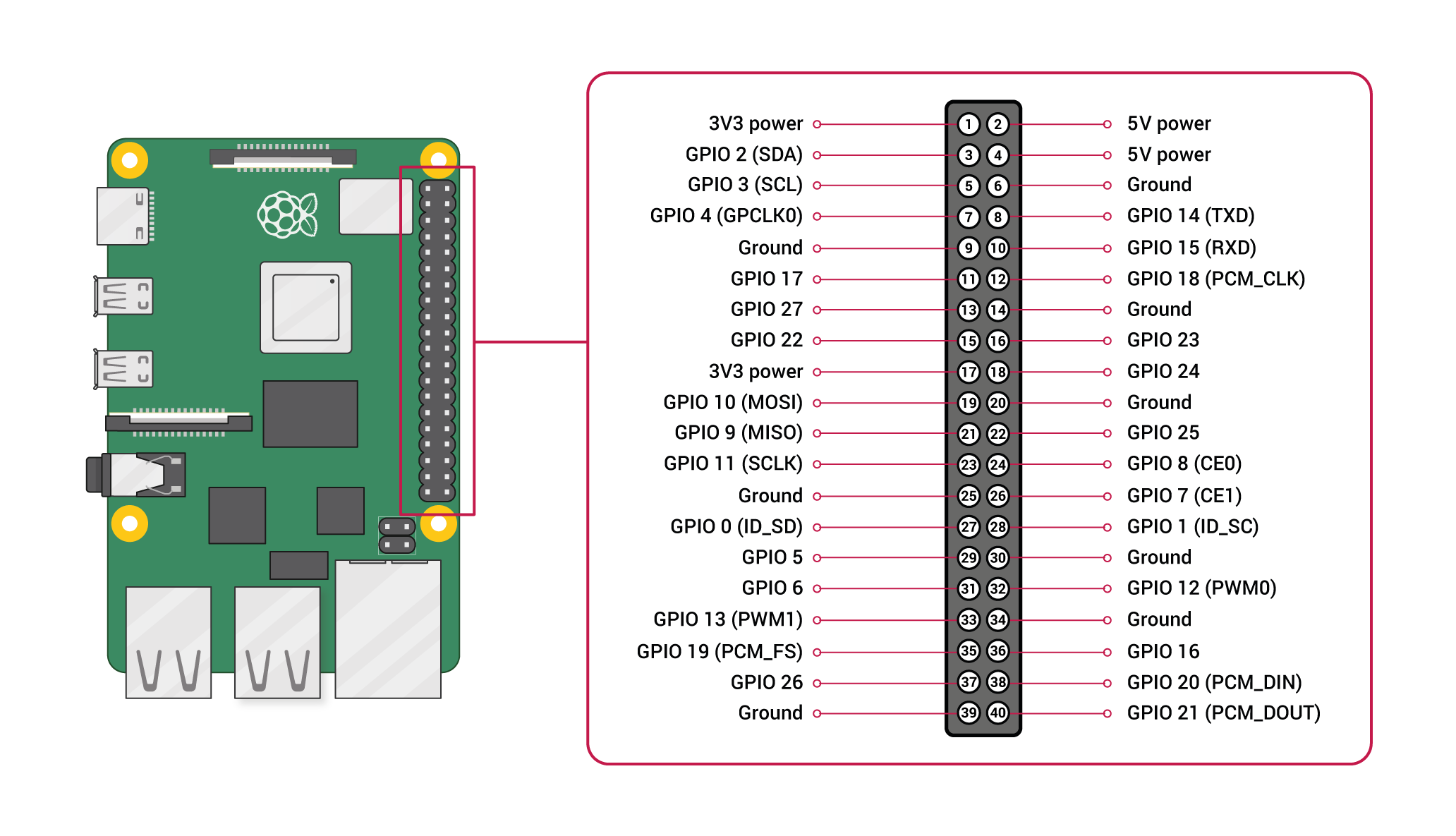
GPIO Pins: 40-pin header for sensors and modules
Storage: microSD card
Despite its small size, Raspberry Pi 4B is powerful enough for programming, electronics, and AI-based applications.
Why Raspberry Pi Is Perfect for Learning
Raspberry Pi is widely used in schools, colleges, and research projects because it:
Encourages hands-on learning
Combines software + hardware
Supports Python, C, Java, Scratch
Helps students understand real systems, not just theory
For beginners, it acts as a bridge between coding and electronics.
How Raspberry Pi 4B Is Used in Real Life
Smart home automation
Robotics and control systems
AI and computer vision projects
IoT-based monitoring systems
Educational labs and research work
Media servers and personal cloud
This is why Raspberry Pi is loved by both students and professionals.
Interesting Raspberry Pi 4B Project Ideas 🚀
Below are some practical and trending project ideas you can try or build content around:
1. Smart Attendance System (Face Recognition)
Use a camera module and Python to automatically mark attendance using computer vision.
Technologies: Python, OpenCV, Raspberry Pi Camera
Use Case: Schools, colleges, offices
2. Home Automation System
Control lights, fans, or appliances using mobile app or web dashboard.
Technologies: IoT, Relay modules, Flask
Use Case: Smart homes
3. AI-Based CCTV Surveillance
Detect motion, recognize faces, or send alerts when unknown people appear.
Technologies: Python, OpenCV, TensorFlow Lite
Use Case: Security systems
4. Weather Monitoring Station
Collect temperature, humidity, and pressure data and visualize it on a dashboard.
Technologies: DHT11/DHT22, Python, ThingSpeak
Use Case: Environmental monitoring
5. Voice-Controlled Assistant
Build your own mini Alexa-like assistant using speech recognition.
Technologies: Python, SpeechRecognition, Text-to-Speech
Use Case: Smart assistants
6. IoT Smart Dustbin
Automatically opens the lid and sends alerts when full.
Technologies: Ultrasonic sensor, Servo motor
Use Case: Smart cities
7. Network Monitoring Tool
Monitor connected devices and bandwidth usage in a network.
Technologies: Linux, Python, Networking
Use Case: Cybersecurity basics
8. Media Center Using Raspberry Pi
Turn Raspberry Pi into a home media server.
Technologies: Kodi, Linux
Use Case: Entertainment systems
Who Should Learn Raspberry Pi?
School & college students
Beginners in programming
Electronics & robotics learners
AI & IoT enthusiasts
Educators & trainers
If you want to move from theory to real projects, Raspberry Pi is the perfect starting point.
What’s Next on Let’s Decode?
In upcoming blogs, I’ll cover:
Raspberry Pi setup (step-by-step)
GPIO programming using Python
Camera module projects
AI & IoT integration
Complete project tutorials
👉 Stay connected with Let’s Decode on YouTube & Instagram
👉 Visit letsdecode.org for regular updates
Let’s Decode technology — practically and creatively.
— Hemant Raj
Founder, Let’s Decode
Comments
Post a Comment